

Solutions
Information on applications and practical use cases.
Didn't find your answer? Contact us and we will definitely guide you!
Popular Scenario
Packaging, Crating & Wooden Pallet

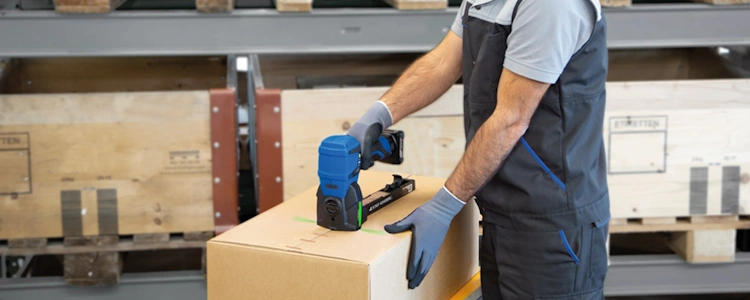
Carton closing must be performed using the correct sealing technique and appropriate tools—such as tape dispensers, staplers, or strapping equipment—along with approved fasteners and materials like pressure-sensitive packing tape, industrial staples, or plastic/steel straps, to ensure the package remains secure, tamper-resistant, and protected from damage during handling, storage, and transportation.

Carton packaging should be carried out using suitable box strength and size, proper packing methods, and protective materials such as cushioning fillers, bubble wrap, foam, or paper dunnage, along with correct tools and sealing materials, to ensure the contents are well-protected against movement, impact, moisture, and damage during storage and transit.

Carton packaging should be carried out using suitable box strength and size, proper packing methods, and protective materials such as cushioning fillers, bubble wrap, foam, or paper dunnage, along with correct tools and sealing materials, to ensure the contents are well-protected against movement, impact, moisture, and damage during storage and transit.

Carton closing must be performed using the correct sealing technique and appropriate tools—such as tape dispensers, staplers, or strapping equipment—along with approved fasteners and materials like pressure-sensitive packing tape, industrial staples, or plastic/steel straps, to ensure the package remains secure, tamper-resistant, and protected from damage during handling, storage, and transportation.

Carton packaging should be carried out using suitable box strength and size, proper packing methods, and protective materials such as cushioning fillers, bubble wrap, foam, or paper dunnage, along with correct tools and sealing materials, to ensure the contents are well-protected against movement, impact, moisture, and damage during storage and transit.

Carton closing must be performed using the correct sealing technique and appropriate tools—such as tape dispensers, staplers, or strapping equipment—along with approved fasteners and materials like pressure-sensitive packing tape, industrial staples, or plastic/steel straps, to ensure the package remains secure, tamper-resistant, and protected from damage during handling, storage, and transportation.

Carton packaging should be carried out using suitable box strength and size, proper packing methods, and protective materials such as cushioning fillers, bubble wrap, foam, or paper dunnage, along with correct tools and sealing materials, to ensure the contents are well-protected against movement, impact, moisture, and damage during storage and transit.

Carton closing must be performed using the correct sealing technique and appropriate tools—such as tape dispensers, staplers, or strapping equipment—along with approved fasteners and materials like pressure-sensitive packing tape, industrial staples, or plastic/steel straps, to ensure the package remains secure, tamper-resistant, and protected from damage during handling, storage, and transportation.

Carton closing must be performed using the correct sealing technique and appropriate tools—such as tape dispensers, staplers, or strapping equipment—along with approved fasteners and materials like pressure-sensitive packing tape, industrial staples, or plastic/steel straps, to ensure the package remains secure, tamper-resistant, and protected from damage during handling, storage, and transportation.

Carton closing must be performed using the correct sealing technique and appropriate tools—such as tape dispensers, staplers, or strapping equipment—along with approved fasteners and materials like pressure-sensitive packing tape, industrial staples, or plastic/steel straps, to ensure the package remains secure, tamper-resistant, and protected from damage during handling, storage, and transportation.

Carton closing must be performed using the correct sealing technique and appropriate tools—such as tape dispensers, staplers, or strapping equipment—along with approved fasteners and materials like pressure-sensitive packing tape, industrial staples, or plastic/steel straps, to ensure the package remains secure, tamper-resistant, and protected from damage during handling, storage, and transportation.
Furniture, Upholstery & Bedding

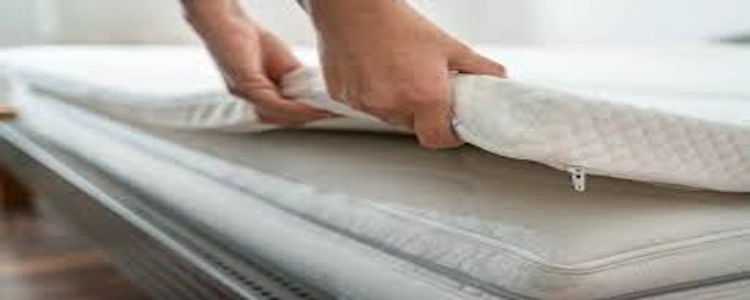
Mattress assembly should be performed using the correct assembly procedure and appropriate tools—such as hand tools, fastening devices, or alignment supports—together with approved fittings, frames, and support materials, to ensure the mattress structure is properly secured, evenly supported, stable, and safe for long-term use without risk of misalignment or damage.

Mattress assembly should be performed using the correct assembly procedure and appropriate tools—such as hand tools, fastening devices, or alignment supports—together with approved fittings, frames, and support materials, to ensure the mattress structure is properly secured, evenly supported, stable, and safe for long-term use without risk of misalignment or damage.

Mattress assembly should be performed using the correct assembly procedure and appropriate tools—such as hand tools, fastening devices, or alignment supports—together with approved fittings, frames, and support materials, to ensure the mattress structure is properly secured, evenly supported, stable, and safe for long-term use without risk of misalignment or damage.

Mattress assembly should be performed using the correct assembly procedure and appropriate tools—such as hand tools, fastening devices, or alignment supports—together with approved fittings, frames, and support materials, to ensure the mattress structure is properly secured, evenly supported, stable, and safe for long-term use without risk of misalignment or damage.

Mattress assembly should be performed using the correct assembly procedure and appropriate tools—such as hand tools, fastening devices, or alignment supports—together with approved fittings, frames, and support materials, to ensure the mattress structure is properly secured, evenly supported, stable, and safe for long-term use without risk of misalignment or damage.

Mattress assembly should be performed using the correct assembly procedure and appropriate tools—such as hand tools, fastening devices, or alignment supports—together with approved fittings, frames, and support materials, to ensure the mattress structure is properly secured, evenly supported, stable, and safe for long-term use without risk of misalignment or damage.

Mattress assembly should be performed using the correct assembly procedure and appropriate tools—such as hand tools, fastening devices, or alignment supports—together with approved fittings, frames, and support materials, to ensure the mattress structure is properly secured, evenly supported, stable, and safe for long-term use without risk of misalignment or damage.

Mattress assembly should be performed using the correct assembly procedure and appropriate tools—such as hand tools, fastening devices, or alignment supports—together with approved fittings, frames, and support materials, to ensure the mattress structure is properly secured, evenly supported, stable, and safe for long-term use without risk of misalignment or damage.

Mattress assembly should be performed using the correct assembly procedure and appropriate tools—such as hand tools, fastening devices, or alignment supports—together with approved fittings, frames, and support materials, to ensure the mattress structure is properly secured, evenly supported, stable, and safe for long-term use without risk of misalignment or damage.

Mattress assembly should be performed using the correct assembly procedure and appropriate tools—such as hand tools, fastening devices, or alignment supports—together with approved fittings, frames, and support materials, to ensure the mattress structure is properly secured, evenly supported, stable, and safe for long-term use without risk of misalignment or damage.
Construction, Carpentry & Woodworking

Wood and steel framing for upholstery, furniture, or bedding should be constructed using the correct fabrication and joining techniques, appropriate tools and machinery, and approved fasteners and materials—such as screws, bolts, welds, brackets, and treated timber or corrosion-resistant steel—to ensure structural strength, dimensional accuracy, durability, and safe load-bearing performance during long-term use.
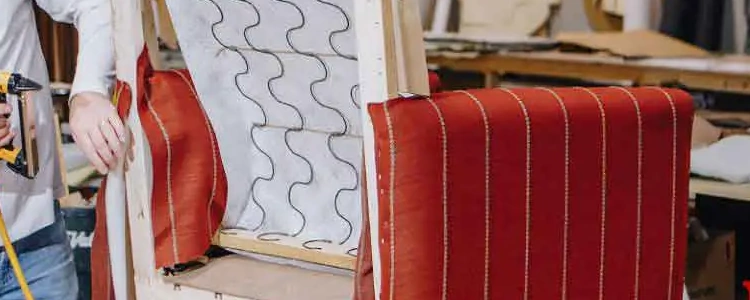
Wood and steel framing for upholstery, furniture, or bedding should be constructed using the correct fabrication and joining techniques, appropriate tools and machinery, and approved fasteners and materials—such as screws, bolts, welds, brackets, and treated timber or corrosion-resistant steel—to ensure structural strength, dimensional accuracy, durability, and safe load-bearing performance during long-term use.

Wood and steel framing for upholstery, furniture, or bedding should be constructed using the correct fabrication and joining techniques, appropriate tools and machinery, and approved fasteners and materials—such as screws, bolts, welds, brackets, and treated timber or corrosion-resistant steel—to ensure structural strength, dimensional accuracy, durability, and safe load-bearing performance during long-term use.

Wood and steel framing for upholstery, furniture, or bedding should be constructed using the correct fabrication and joining techniques, appropriate tools and machinery, and approved fasteners and materials—such as screws, bolts, welds, brackets, and treated timber or corrosion-resistant steel—to ensure structural strength, dimensional accuracy, durability, and safe load-bearing performance during long-term use.

Wood and steel framing for upholstery, furniture, or bedding should be constructed using the correct fabrication and joining techniques, appropriate tools and machinery, and approved fasteners and materials—such as screws, bolts, welds, brackets, and treated timber or corrosion-resistant steel—to ensure structural strength, dimensional accuracy, durability, and safe load-bearing performance during long-term use.

Wood and steel framing for upholstery, furniture, or bedding should be constructed using the correct fabrication and joining techniques, appropriate tools and machinery, and approved fasteners and materials—such as screws, bolts, welds, brackets, and treated timber or corrosion-resistant steel—to ensure structural strength, dimensional accuracy, durability, and safe load-bearing performance during long-term use.

Wood and steel framing for upholstery, furniture, or bedding should be constructed using the correct fabrication and joining techniques, appropriate tools and machinery, and approved fasteners and materials—such as screws, bolts, welds, brackets, and treated timber or corrosion-resistant steel—to ensure structural strength, dimensional accuracy, durability, and safe load-bearing performance during long-term use.

Wood and steel framing for upholstery, furniture, or bedding should be constructed using the correct fabrication and joining techniques, appropriate tools and machinery, and approved fasteners and materials—such as screws, bolts, welds, brackets, and treated timber or corrosion-resistant steel—to ensure structural strength, dimensional accuracy, durability, and safe load-bearing performance during long-term use.
Automotive Applications

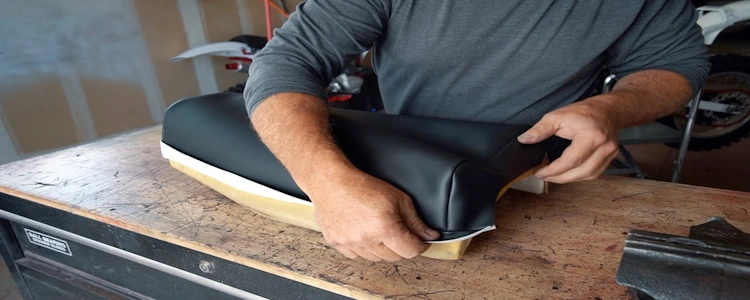
Two-wheeler seat making should be carried out using proper shaping and assembly techniques with suitable tools and equipment, along with approved materials such as molded foam, seat base boards, upholstery fabric or vinyl, adhesives, stitching threads, and fastening components like clips or staples, to ensure comfort, durability, weather resistance, and secure fitment during regular use.
This plant is native to the tropical forests of Southeast Asia and Oceania. For decades, plants in the Croton family were considered outdoor-only, needing several hours of direct light to thrive.
Croton petra plants are susceptible to the bacterial diseases crown gall and xanthomonas leaf spot, and the fungal diseases anthracnose and stem gall and canke Shop this plant
This plant is native to the tropical forests of Southeast Asia and Oceania. For decades, plants in the Croton family were considered outdoor-only, needing several hours of direct light to thrive.
Croton petra plants are susceptible to the bacterial diseases crown gall and xanthomonas leaf spot, and the fungal diseases anthracnose and stem gall and canke Shop this plant
This plant is native to the tropical forests of Southeast Asia and Oceania. For decades, plants in the Croton family were considered outdoor-only, needing several hours of direct light to thrive.
Croton petra plants are susceptible to the bacterial diseases crown gall and xanthomonas leaf spot, and the fungal diseases anthracnose and stem gall and canke Shop this plant
Speciality Manufacturing & Fabrication

Two-wheeler seat making should be carried out using proper shaping and assembly techniques with suitable tools and equipment, along with approved materials such as molded foam, seat base boards, upholstery fabric or vinyl, adhesives, stitching threads, and fastening components like clips or staples, to ensure comfort, durability, weather resistance, and secure fitment during regular use.
This plant is native to the tropical forests of Southeast Asia and Oceania. For decades, plants in the Croton family were considered outdoor-only, needing several hours of direct light to thrive.
Croton petra plants are susceptible to the bacterial diseases crown gall and xanthomonas leaf spot, and the fungal diseases anthracnose and stem gall and canke Shop this plant
This plant is native to the tropical forests of Southeast Asia and Oceania. For decades, plants in the Croton family were considered outdoor-only, needing several hours of direct light to thrive.
Croton petra plants are susceptible to the bacterial diseases crown gall and xanthomonas leaf spot, and the fungal diseases anthracnose and stem gall and canke Shop this plant
This plant is native to the tropical forests of Southeast Asia and Oceania. For decades, plants in the Croton family were considered outdoor-only, needing several hours of direct light to thrive.
Croton petra plants are susceptible to the bacterial diseases crown gall and xanthomonas leaf spot, and the fungal diseases anthracnose and stem gall and canke Shop this plant